




StarApps’ journey starts out in a small town in Bihar, where its founder, Shashank Agrawal, built the company’s first product in 2016, working over mobile internet with a freelancer he had never met in person.
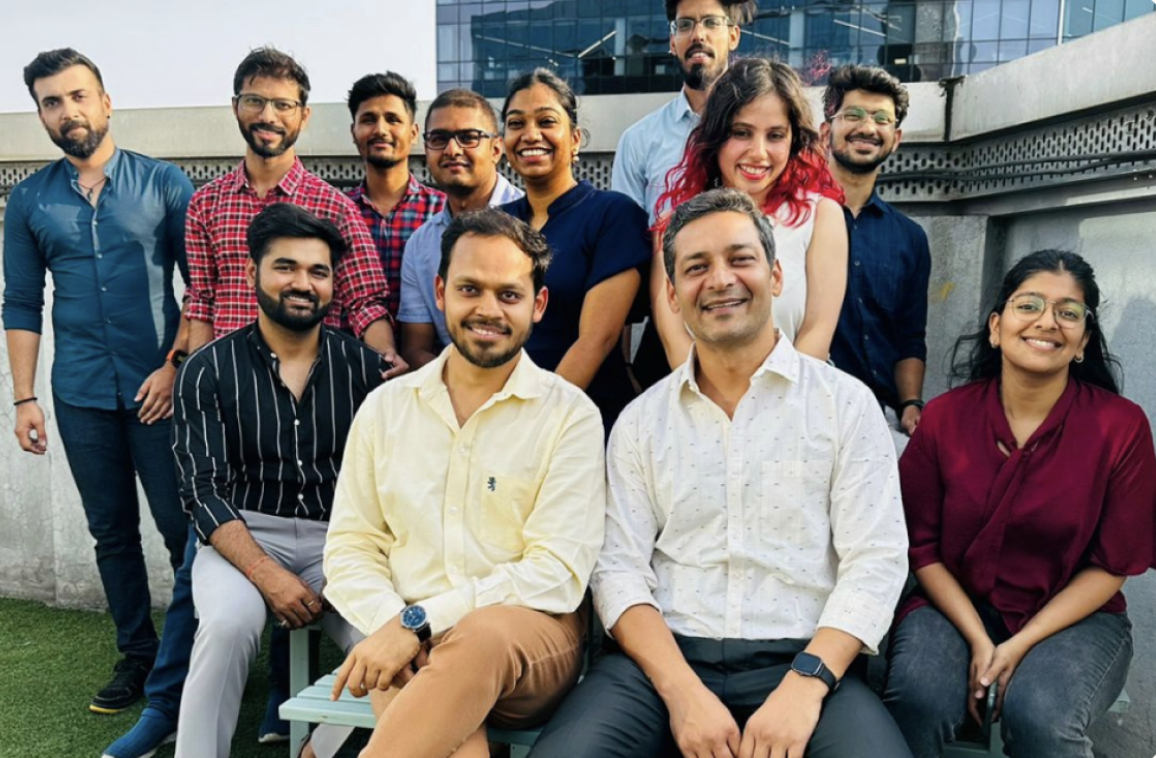
Ten years later, StarApps has grown into a merchandising and product-discovery provider used by more than 30,000 Shopify merchants worldwide (including more than 2,500 on Shopify Plus), entirely bootstrapped, with a 30-person team generating about $6 million a year in revenue. This year, the company made its first acquisition: AppMaker, a native mobile app platform for more than 200 Shopify brands which together process over $100 million in annual gross merchandise value (GMV) through their apps.
India’s impact on shaping StarApps’ story
Agrawal’s previous experiences have shaped the founder he is today, and the vision he is working towards at StarApps. In fact, StarApps’ origin is rooted in a real challenge he encountered earlier in his career. Agrawal was setting up his own Shopify store to sell into the US market and ran into a problem that most D2C brands trying to sell globally are all too familiar with: no clear way to show shoppers the right product image for the specific variant they pick. It’s that gap that became StarApps’ first app, which went live in July 2017, with the first paying company recorded that October, for $87.85, a date Agrawal still commemorates as StarApps’ real founding day.
And, thanks to lessons Agrawal learned in earlier business ventures, StarApps follows a business model built for global reach from day one: SaaS, recurring revenue and merchants everywhere instead of focusing on a single domestic market. Agrawal’s early exposure to international markets was gained from co-founding Freshmonk, a print-on-demand ecommerce company which scaled but eventually hit a ceiling because the addressable market within India for this particular industry was not large enough to sustain it.
India’s influence on Agrawal and StarApps’ journey and business model doesn’t stop there. A turning point came in 2017 for Agrawal, when Shopify hosted “A Day With Shopify” in Bangalore. StarApps was still at zero revenue, and Agrawal could not afford the travel from Bihar to Bangalore, so he wrote directly to a contact at Shopify. That single trip yielded a network of mentors and peers that helped propel the decade to come, underlining how concentrated India’s tech and startup infrastructure is in larger towns and cities, even as Indian companies compete globally.
Bootstrapping for merchants, not just investors
Unlike much of India’s venture-backed SaaS landscape, StarApps has never raised outside capital, neither for core business nor the AppMaker acquisition, which was entirely funded in cash. This is a deliberate choice Agrawal sticks to, staying accountable to merchants directly and funding growth through won revenue. This is extremely important to the Indian startup ecosystem as capital becomes more selective and counters the widespread belief that scaling globally necessitates outside funding.

Crucially, StarApps’ product addresses a central problem in global e-commerce. Paid customer acquisition costs are rising, and merchants are shifting their focus toward retention and conversion on channels they own. StarApps’ merchandising tools and AppMaker’s native mobile apps target both sides of this coin.
StarApps’ trajectory breaks the traditional narrative that globally competitive software must originate in a hub and needs venture capital to scale. Built in a small town with limited infrastructure, bootstrapped from the beginning, and now serving merchants across more than 30,000 stores worldwide, StarApps is a reminder that India’s next wave of global SaaS companies may emerge from places often overlooked.